Dental Abscess Warning Signs and Emergency Dentist Care in Plano, TX
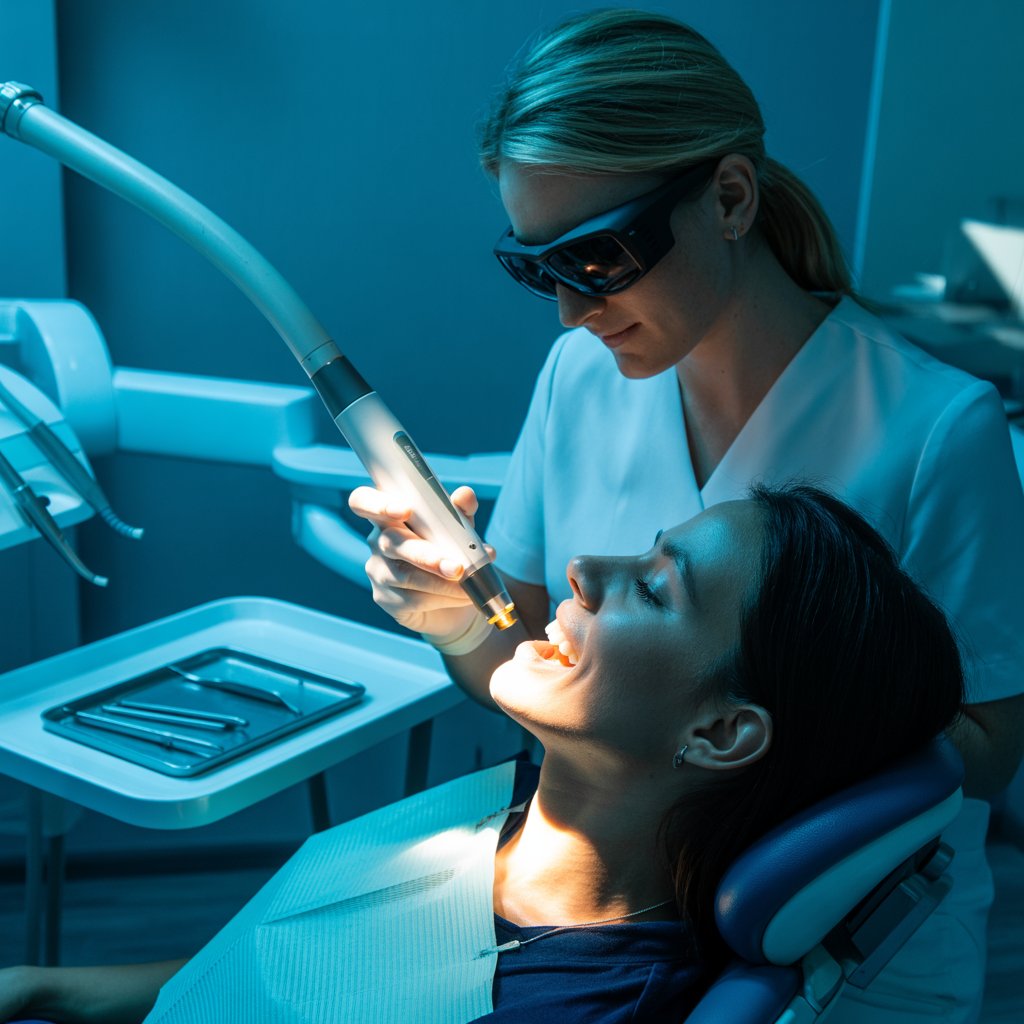
A dental abscess rarely starts as a dramatic event. More often, it begins with a tooth that has felt "off" for a while, a dull ache when chewing, sensitivity that lingers after coffee, tenderness in the gums, or a bad taste that comes and goes. Then the pressure builds. The pain sharpens. Swelling appears. Sleep becomes difficult. By the time many people start searching for an emergency dentist Plano, TX, they are no longer wondering whether something is wrong. They are trying to get through the next hour.
An abscess is not simply a bad toothache. It is an infection, usually caused by bacteria entering the tooth or surrounding tissues. That infection can collect in a pocket of pus near the root of a tooth, in the gums, or around supporting bone. Left untreated, it can spread and become much more serious than a routine dental problem. Pain is often the symptom that gets attention, but not every abscess announces itself loudly. Some drain intermittently and seem to calm down, which can create a false sense of relief.
Patients often assume that if the pain eases, the danger has passed. In practice, the opposite can happen. A draining abscess may reduce pressure and temporarily lessen discomfort, while the infection remains active. That is one reason experienced dental teams take swelling, drainage, and sudden changes in symptoms seriously, even when the patient says it "feels a little better today."
What a dental abscess actually is
A dental abscess usually falls into one of a few categories. A periapical abscess forms near the tip of a tooth root, often after decay, a crack, or trauma allows bacteria to reach the pulp inside the tooth. A periodontal abscess affects the gums and supporting structures, sometimes developing in a deep gum pocket. There are also situations where the source is less obvious at first, such as a previously treated tooth that develops a recurrent infection or a wisdom tooth area that traps bacteria and food debris.
The common thread is bacterial invasion and the body's inflammatory response. As infection builds, pressure rises within a confined space. That pressure is why the pain can throb, pulse, or feel worse when lying down. It is also why patients sometimes point to one tooth with certainty, then later say the whole side of the face hurts. Inflammation can blur the picture quickly.
Dental abscesses are especially tricky because they do not always track neatly with what people expect. A very small cavity can lead to severe pulp infection if it reaches the nerve. A tooth with no obvious cavity can abscess if it is cracked. A crown can look intact while decay hides underneath. Even a tooth that had a root canal years ago can become reinfected if bacteria find a pathway in.
Warning signs people should not ignore
The classic sign is a toothache, but abscesses are wider-ranging than that. Many patients first notice pain when biting down, a feeling that one tooth has become "taller" than the rest, or a sharp reaction to hot drinks that lingers long after the cup is gone. Others report gum swelling that looks like a pimple near a tooth, a foul taste, or bad breath that persists despite brushing and rinsing.
Facial swelling matters. So does swelling under the jaw, tenderness in nearby lymph nodes, trouble opening the mouth fully, or pain that radiates into the ear, temple, or neck. Fever adds a different level of concern because it can signal that the body is fighting an infection that is no longer confined to one small area.
A few signs deserve special urgency because they suggest the infection may be spreading beyond the tooth and gum tissues:
- Rapid swelling of the face or gums
- Fever or chills
- Difficulty swallowing
- Trouble breathing
- A bad taste or fluid draining into the mouth from a swollen area
If those symptoms appear, waiting a few days is a poor gamble. Dental infections can progress quickly, and the pace is not always predictable. Someone can feel manageable discomfort in the morning and be in severe distress by evening.
Why an abscess can become a true emergency
People sometimes ask whether an abscess can wait until their next cleaning, especially if pain medicine is helping. The problem is that over-the-counter relief does nothing to eliminate the source of infection. It may reduce inflammation and dull pain, but bacteria remain in place unless the tooth is treated, drained, extracted, or managed with a combination of approaches.
The body's response to infection also varies. A healthy young adult may localize an abscess better than an older patient with diabetes or someone taking immune-suppressing medication. Even so, no one is immune to complications. Infections in the mouth sit close to spaces in the face and jaw where bacteria can spread. When swelling starts affecting speech, swallowing, breathing, or normal mouth opening, the situation moves beyond a routine tooth problem.
One of the more concerning scenarios is the patient who cannot sleep, cannot chew, and has started using larger and larger doses of pain relievers just to function. That level of pain often means pressure is significant, and it should prompt urgent evaluation. Another scenario is the person who had a swelling that "burst" and drained, then decided the crisis was over. Drainage can reduce pain dramatically, but it does not mean the infection is cured.
How an emergency dental visit usually works
A true emergency dental appointment focuses on stabilizing the problem first. The goal is to identify the source of infection, reduce pain and pressure, and determine whether the tooth can be saved. This usually involves an exam, dental X-rays, and a discussion about how symptoms started, whether swelling is increasing, and whether there are systemic symptoms like fever.
If the abscess is tied to a tooth that can be preserved, root canal treatment may be the best path. That procedure removes infected tissue from inside the tooth, disinfects the canal system, and seals the space to prevent reinfection. In some cases, especially when swelling is significant or drainage is needed, treatment may begin with opening the tooth or draining the area before final restoration.
If the tooth cannot be saved because of severe structural damage, deep decay below the gumline, a vertical root fracture, or advanced bone loss, extraction may be the safer choice. Patients do not always love hearing that, but there are times when trying to save a compromised tooth leads to more procedures, more cost, and a poorer long-term outcome. Good emergency care includes honest judgment, not just temporary fixes.
Antibiotics may play a role, but they are not the main treatment for a localized abscess. This point is often misunderstood. If the source of infection remains sealed inside a tooth or trapped in tissue, antibiotics alone may not penetrate adequately enough to resolve the problem. They are often prescribed when there is swelling, spreading infection, fever, or a risk that the infection is moving beyond the immediate area. They support treatment. They do not replace it.
The difference between urgent dental care and the emergency room
Patients in Plano sometimes wonder whether to call a dentist or go straight to the hospital. The answer depends on symptoms. A dental office is usually the right first call for severe tooth pain, localized gum swelling, drainage, or a suspected abscess when breathing and swallowing are normal. A dentist can diagnose the source, take the appropriate images, numb the area, drain infection when indicated, and begin definitive treatment.
The emergency room becomes more appropriate when the infection appears to be affecting the airway, the ability to swallow, or the patient's overall medical stability. If someone has a rapidly enlarging swelling, trouble breathing, chest symptoms, confusion, or cannot keep down fluids or medications, that is not a wait-and-see Emergency dentist Plano, TX situation.
A simple way to think about it is this:
- Call an emergency dentist for severe tooth pain, localized swelling, drainage, or a broken tooth with signs of infection
- Go to the ER for difficulty breathing, difficulty swallowing, rapidly spreading swelling, or high fever with significant facial infection
There is overlap, and cautious judgment is better than delay. If a patient sounds medically unstable on the phone, many dental offices will advise immediate hospital evaluation. That is not passing the problem off. It is recognizing when a dental infection has crossed into a broader medical emergency.
What to do while you are waiting to be seen
The period between realizing you have an abscess and getting into a chair can feel long, even if the appointment is the same day. A few simple measures can reduce discomfort and lower the chance of making the situation worse.
Rinse gently with warm salt water several times a day. The goal is not to sterilize the area, because a home rinse cannot do that, but to keep the mouth cleaner and soothe inflamed tissues. Use pain relievers exactly as directed on the label or as instructed by a clinician. If your dentist has prescribed an antibiotic, take it as directed and complete the course unless you are told otherwise.
Avoid placing aspirin directly on the gum. People still try this, and it can burn soft tissue without treating the infection. Be cautious with heat. A warm compress on the outside of the face may feel soothing for some people, but aggressive heating is not helpful and can worsen discomfort. Chew on the opposite side, skip very hot or very cold foods if they trigger pain, and keep your head elevated if lying flat makes throbbing worse.
Most important, do not treat symptom relief as proof that the problem has resolved. If pain decreases after drainage or medication, keep the appointment. The quiet phase of an abscess can be misleading.
Why home remedies are not enough
It is understandable that people try to manage dental infections at home, especially if symptoms begin on a weekend or after business hours. Salt-water rinses, clove oil, cold packs, and over-the-counter pain medicine may all have a place in short-term comfort. None of them removes dead pulp from an infected tooth. None of them closes a crack, cleans a root canal system, or addresses a deep periodontal pocket full of bacteria and debris.
One of the more frustrating patterns in emergency dentistry is seeing patients who cycled through temporary remedies for weeks, only to arrive when the face has swollen and the treatment options are narrower. A tooth that might have been saved earlier may no longer be salvageable later. The difference of a few days or a few weeks can change the plan.
That is especially true when an abscess is related to a fractured tooth. Cracks can allow bacteria to enter areas that are difficult to clean and difficult to seal predictably. If the fracture extends below the gumline or into the root, saving the tooth may no longer be realistic. Delay does not make the crack smaller.
What emergency dentists look for during diagnosis
Abscess diagnosis is part imaging, part examination, and part pattern recognition. X-rays help reveal decay, bone loss, widened ligament space around a root, previous dental work, and the presence of infection-related changes near the apex of a tooth. They do not always tell the whole story on day one, especially in very early infections, which is why symptoms and clinical testing matter.
Dentists usually check how the tooth responds to tapping, pressure, temperature, and in some cases pulp vitality tests. They inspect nearby gums for drainage points, swelling, redness, and pocketing. They ask whether the pain wakes you at night, whether biting feels high, whether the swelling has changed from hour to hour, and whether there was recent trauma, deep dental work, or a crown that never felt quite right afterward.
That mix of information guides treatment. A tooth with a restorable crown and root structure may be an excellent root canal candidate. A tooth with severe mobility, deep fracture, or non-restorable decay may not be worth heroic efforts. Good emergency care is not just about removing pain today. It is about choosing a path that makes sense six months from now.
Special concerns for children, older adults, and medically complex patients
Children do get dental abscesses, and parents often underestimate them because the child cannot describe the pain clearly. Irritability, one-sided chewing, face touching, refusal to eat, or waking at night can all be clues. Swelling in a child deserves prompt evaluation. Primary teeth matter because infection in baby teeth can affect comfort, nutrition, and the development of permanent teeth underneath.
Older adults sometimes present differently. Some have reduced pain responses, especially if the nerve inside the tooth has already died. They may notice swelling, pressure from a denture that no longer fits correctly, or a vague feeling of malaise. Dry mouth from medications can also increase decay risk and raise the chance of infection around existing restorations.
Patients with diabetes, immune suppression, cancer treatment, certain heart conditions, or a history of serious infections should be especially cautious. What might stay localized in one person may spread more readily in another. That does not mean every toothache becomes dangerous, but it does mean the threshold for urgent assessment should be lower.
How dental abscesses are prevented in the first place
Most abscesses are the downstream result of a problem that started earlier, decay, a crack, failing dental work, gum disease, or postponed treatment on a known issue. Prevention is rarely dramatic. It usually looks like consistency. Daily brushing and flossing help, but prevention goes beyond hygiene slogans. It also means dealing with small fractures before they widen, replacing old restorations when margins break down, wearing a night guard if grinding is damaging teeth, and showing up for exams even when nothing hurts.
Pain is a late signal in dentistry. That catches many people off guard. A cavity can grow quietly. A filling can leak without obvious symptoms. A cracked cusp can flex for months before the nerve reacts. Routine visits are where those problems are found while the treatment is simpler, less invasive, and usually less expensive.
Diet matters too, though not always in the way people assume. It is often not the single candy bar that causes trouble, but the repeated acid and sugar exposure through the day, energy drinks sipped over hours, frequent sweet coffee, constant snacking, and dry mouth reducing the natural buffering effect of saliva. Small habits, repeated daily, shape risk more than occasional indulgences.
Choosing emergency dental care in Plano when symptoms escalate
When pain and swelling strike, convenience suddenly matters. Patients want same-day availability, clear communication, and a team that knows the difference between a routine ache and a potentially spreading infection. Searching for an emergency dentist Plano, TX is often done under stress, usually by someone who is already tired, uncomfortable, and worried. In that moment, responsiveness matters as much as technology.
A strong emergency dental office will ask the right questions before you arrive. They will want to know where the swelling is, whether you have fever, whether swallowing or breathing is affected, whether the tooth has had prior treatment, and what medications you have already taken. That phone triage is not small talk. It helps determine urgency and whether a dental office is the right destination or whether hospital care is safer.
Once you are seen, expect a practical conversation. Can the tooth be saved. Is drainage needed. Are antibiotics appropriate. Is treatment likely to be completed in one visit, or will it take staged care. Will you need a crown after a root canal. What will tonight feel like once the anesthetic wears off. Patients do better when those questions are addressed directly.
When the pain stops on its own, but you still need care
One of the strangest features of dental abscesses is that the worst pain can sometimes disappear without the infection actually resolving. If the nerve tissue inside the tooth dies completely, or if the abscess finds a path to drain, pressure can fall and pain can drop sharply. People understandably interpret that as healing.
It is not healing. It is a change in the mechanics of the problem.
The bacteria are still present, and the source still needs treatment. A painless dead tooth with intermittent gum swelling can remain infected for a long time, slowly damaging surrounding bone and occasionally flaring into a much more acute episode. Some of the most deceptive cases are not the screaming emergencies, but the chronic low-grade infections patients learned to live with.
The bottom line for a suspected abscess
A dental abscess is one of those problems where timing matters more than people realize. Early treatment can preserve a tooth, limit swelling, shorten recovery, and reduce the chance that a local infection becomes something medically significant. Delay can narrow options fast.
If you have throbbing tooth pain, gum swelling, drainage, facial swelling, fever, or pain that suddenly worsens when biting, treat it as urgent. If you are in Plano and need an emergency dentist Plano, TX, the right move is not to wait for the pain to become unbearable. It is to get examined while the problem is still containable.
The mouth does not give many second chances once an infection gains momentum. Prompt care is the safest bet, and often the most conservative one too.
Vitality Dental
1220 Coit Rd # 106, Plano, TX 75075, United States
+1 972-645-4100
FAQ About Emergency dentist Plano, TX
Will the ER do anything for dental pain?
An emergency department can assess urgent symptoms and provide medical stabilization. Definitive treatment of the tooth usually requires a dentist. Seek emergency medical care for breathing or swallowing difficulty, uncontrolled bleeding, or serious facial injury.
What to do if I have a dental emergency in the middle of the night?
Contact a dentist or after-hours dental service promptly for guidance. If a permanent tooth is knocked out, keep it moist in milk while seeking immediate care. If symptoms suggest a medical emergency, go to an emergency department.
What qualifies as a dental emergency?
A knocked-out permanent tooth, severe or persistent tooth pain, a significant dental injury, or swelling may require urgent dental assessment. Call a dentist to describe the symptoms and determine timing. Uncontrolled bleeding or difficulty breathing or swallowing requires emergency medical care.