Emergency Dentist Plano, TX: Care for Biting Injuries and Soft Tissue Damage
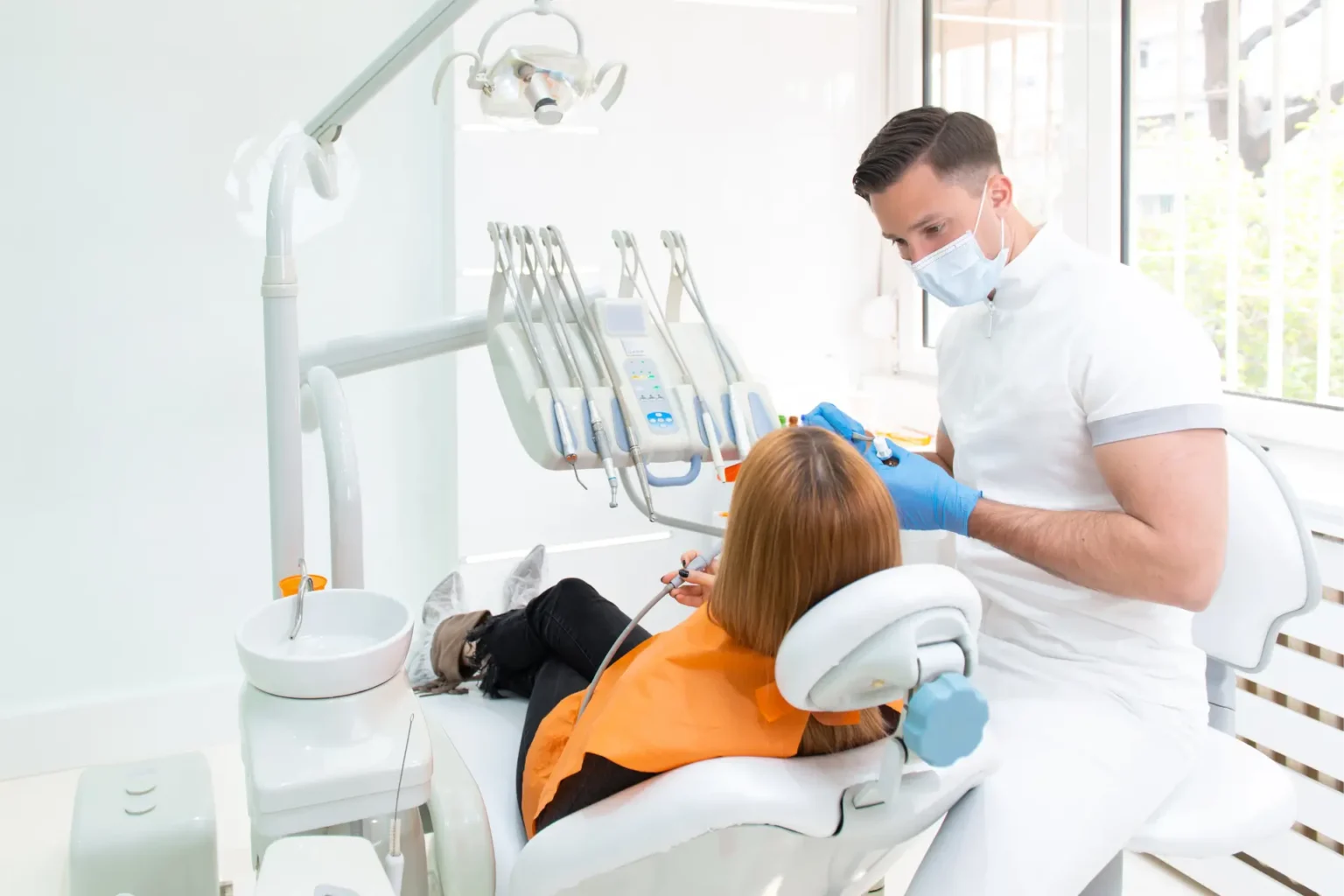


A chipped tooth gets attention fast because people can see it. Soft tissue injuries often look less dramatic at first, yet they can be the more urgent problem. A bite to the cheek, a split lip, a torn frenum, a puncture in the tongue, or a deep laceration in the gum can bleed heavily, swell quickly, and become hard to judge at home. In a dental emergency, the injury is not always the tooth. Sometimes the real issue is the tissue around it.
That distinction matters for anyone looking for an emergency dentist Plano, TX residents can reach quickly. A soft tissue injury inside the mouth sits in a difficult spot. It is wet, contaminated by normal oral bacteria, and constantly moving while you speak, swallow, and breathe. Small cuts often heal remarkably well. Larger tears, uncontrolled bleeding, or injuries with broken tooth fragments embedded in the tissue need prompt professional care. Timing makes a difference, both for comfort and for healing.
When a bite injury is more than “just a cut”
People commonly injure the inside of the mouth in ordinary ways. A Emergency dentist Plano, TX child falls with a toy in hand. An athlete takes an elbow to the face. A person bites down during a car accident, a fainting episode, or even in sleep after dental numbness lingers too long. Cheek and tongue injuries also show up after a cracked cusp changes the way the teeth meet. What seems like random repeated biting can actually be a sign that a tooth has shifted, fractured, or developed a sharp edge.
The mouth also tends to exaggerate the appearance of trauma. Blood mixes with saliva, so even a short laceration can look alarming in the sink. Lips and tongues contain a dense blood supply, which is one reason they often bleed briskly and heal relatively fast. The challenge is knowing when normal bleeding crosses into a problem.
A superficial bite mark on the cheek usually settles with pressure and cold compresses. A gaping cut, a flap of tissue, or a tongue wound that keeps reopening each time the person talks is a different situation. The same is true when the injury happened alongside a cracked tooth, loose tooth, jaw pain, or facial swelling. The safest way to think about these cases is that trauma rarely stays neatly in one category. A soft tissue wound can accompany dental fractures, root damage, contamination from debris, or a bite change that keeps reinjuring the same area.
The first hour after the injury
The first hour is practical medicine. Most people do not need a perfect diagnosis at home. They need to slow bleeding, limit swelling, and avoid making the injury worse before they are seen.
Here are the steps that matter most right away:
- Apply clean gauze or a clean damp cloth with firm, steady pressure for 10 to 15 minutes without repeatedly checking the wound.
- Rinse gently with cool water to clear blood and look for broken tooth fragments, dirt, or other debris.
- Use a cold compress on the outside of the face in short intervals to reduce swelling.
- Avoid aspirin directly on the tissue, alcohol-based mouthwash, smoking, and hot foods or drinks.
- Call an emergency dentist Plano, TX office promptly if bleeding continues, the wound is deep, or there may be tooth or jaw injury.
The instruction people skip most often is steady pressure. They press for thirty seconds, take the gauze away, see more blood, and assume it is not working. Soft tissue wounds usually need uninterrupted pressure long enough for a clot to organize. Constant checking disrupts the clot before it stabilizes.
Cool water is useful. Vigorous swishing is not. It can restart bleeding and increase pain. If a piece of tooth broke off and lodged in the lip or cheek, do not dig aggressively with tweezers or fingernails. That tends to enlarge the wound and drive debris deeper. A dentist or physician can remove embedded fragments safely under better visibility and control.
The injuries that should not wait
A lot of oral cuts can be assessed the same day without panic. Some should be treated as time sensitive from the outset. Ongoing bleeding after firm pressure is one of them. A tongue laceration that separates at rest, especially near the edge or tip, deserves attention because those areas move constantly and can heal with an irritating notch if left unsupported. A wound that crosses the border of the lip, where the pink tissue meets the skin, matters cosmetically and often needs careful alignment.
Depth is more important than length. A short puncture can be more serious than a longer shallow cut. Animal bites to the face or mouth introduce a different infection profile and may call for medical management beyond dental care alone. So do injuries associated with dizziness, vomiting, loss of consciousness, jaw locking, or difficulty breathing or swallowing. Those symptoms move the situation beyond a routine dental emergency.
Children deserve special mention. A toddler who bites through the lower lip after a fall may be frightened, bleeding, and unable to cooperate with an exam. The tissue can look severe even when it is manageable, but the opposite is also true. A child with a torn upper labial frenum, for example, may heal beautifully, while a child with hidden intrusion of a front tooth into the gum can have significant dental injury with less dramatic bleeding. It is worth getting an experienced set of eyes on the situation rather than assuming the visible cut tells the full story.
What an emergency dentist is looking for
At the chair, the exam is not limited to the obvious tear. A good trauma evaluation moves through function, structure, and contamination. Can the patient open and close normally? Do the teeth meet the same way they did before? Are any teeth loose, cracked, or tender to tapping? Is there a fragment in the lip, cheek, or tongue? Is the floor of the mouth soft, or is swelling building there? Does the patient have numbness that suggests nerve involvement?
The dentist is also judging whether the wound edges come together naturally or pull apart. The mouth heals fast, but it still heals best when tissue is clean, stable, and not under constant tension. A smooth, shallow bite line inside the cheek often needs little more than observation and comfort care. A ragged laceration with debris, crushed tissue, or a flap that catches between the teeth may need debridement, smoothing of a sharp tooth edge, and closure.
This is where experience matters. Not every mouth wound should be sutured. Over-treating minor injuries can create more discomfort than benefit. Under-treating certain wounds can prolong bleeding, increase scarring, and leave the patient with ongoing pain every time they chew.
Common soft tissue injuries seen in dental emergencies
The inside of the lower lip is a frequent site, especially after falls or sports injuries. The upper and lower front teeth can cut into the lip like a blade when the face strikes a hard surface. These wounds may look straightforward until swelling rises and hides a tooth fragment inside. If the patient also has a chipped incisor, suspicion for embedded enamel or dentin should be high.
Cheek bites happen in two patterns. The first is sudden trauma, such as a blow that slams the teeth together. The second is repetitive trauma, often from swelling, altered bite, missing back teeth, or a fractured cusp that changes chewing dynamics. Repeated cheek biting can create a cycle in which the tissue swells, gets caught again, and never quite settles down. In those cases, managing the tissue without correcting the dental cause usually fails.
Tongue injuries range from simple bites to split lacerations caused by seizures, falls, or sports collisions. The tongue’s blood supply is generous, so a small wound can create a dramatic scene. Most minor bites recover with pressure, cold, and a soft diet. Deeper lacerations, especially those with separated edges or tissue flaps, often benefit from prompt closure.
Gum injuries can appear after sharp food trauma, accidental toothbrush injury, or more commonly, after a fall or facial impact. A gum laceration near a tooth root can signal displacement of the tooth itself. That is why a wound near the gum line is rarely judged by the surface appearance alone. X-rays may be needed to check root position, fracture, or intrusion.
Treatment may be simple, or it may involve more than the tissue
People often expect one answer, sutures or no sutures. Real emergency care is less binary. A patient who bit through the tongue may need local anesthesia, irrigation, careful approximation of the wound edges, and instructions for swelling control. A patient with a cheek laceration caused by a broken molar may need smoothing or temporary repair of the tooth first, otherwise the cheek will keep catching on the same sharp area.
Depending on the injury, treatment may involve:
- Thorough cleaning of the wound and removal of trapped debris or tooth fragments.
- Smoothing, bonding, or temporarily restoring a sharp or fractured tooth that caused the injury.
- Suturing deeper or gaping lacerations to control bleeding and support healing.
- Imaging to check for root, jaw, or embedded fragment injuries that are not visible on the surface.
- Coordinating medical referral when the trauma involves the face, jaw function, breathing, or signs of concussion.
Patients are sometimes surprised that imaging is part of a “cut in the mouth” visit. It is often the right call. One of the more memorable cases in emergency practice is the lip laceration that looked routine until a small radiopaque speck on imaging revealed an embedded incisor fragment. Without removing it, the lip would likely have remained tender and inflamed for days or weeks.
Pain control and the realities of healing
Oral tissue tends to heal faster than skin because of its blood supply, but healing is not the same as comfort. The first two days can be rough, especially with tongue and cheek injuries that get irritated by every meal and every sentence. Swelling usually peaks during that early window. Speech can feel clumsy. Salty, acidic, crunchy, and very hot foods often sting more than patients expect.
A soft, cool diet helps. Yogurt, smoothies eaten with a spoon, scrambled eggs, oatmeal cooled to lukewarm, mashed potatoes, soup that is not hot, and well-cooked pasta are practical options. Hydration matters because dry tissue hurts more and heals less comfortably. Alcohol and tobacco slow the process and make the wound angrier. So does absent-minded chewing on the injured side.
Pain medication should be individualized to the person’s health history, but many patients do well with standard over-the-counter options used as directed by their dentist or physician. Some will also need a chlorhexidine rinse or other antimicrobial support, though not every simple bite injury requires it. More treatment is not always better. The right treatment is what lowers risk without adding unnecessary irritation.
Signs of infection versus normal healing
A fresh wound is supposed to look inflamed. That fact causes confusion. Redness, tenderness, a thin whitish film, and mild swelling can all be part of normal oral healing. The mouth often forms a pale yellow or white fibrin layer that people mistake for pus. It is not automatically infection.
What deserves concern is worsening pain after initial improvement, swelling that grows rather than settles, bad taste with thick drainage, fever, or tissue that becomes hot and increasingly firm. Another warning sign is trouble opening the mouth or swallowing that develops after the injury instead of right away. Those changes suggest the problem is evolving, not resolving.
One practical benchmark I often use is trajectory. If the patient can say, “It was terrible yesterday, but today it is a little easier to eat and talk,” that usually supports normal healing. If they say, “It was manageable, and now it is sharply worse on day three,” the threshold for reevaluation is much lower.
Why location changes the plan
Soft tissue injuries are not all equal because oral anatomy is not all equal. A cut high in the vestibule, where the lip or cheek reflects off the gums, behaves differently than one on the border of the lip. A wound on the side of the tongue experiences different force than one on the top surface. A laceration under a denture flange presents a different healing problem than the same laceration in a patient without appliances.
The bite itself changes healing. If the patient has braces, a deep overbite, missing posterior support, or a newly broken tooth, the tissue may continue to get traumatized. In those cases, one of the most helpful interventions can be mechanical, smoothing an edge, adjusting a temporary restoration, or placing protective wax for orthodontic hardware. Unless the source of repeated contact is removed, the wound stays trapped in a cycle of injury and repair.
Plano families often see these injuries after sports and school accidents
Plano’s active families know how quickly routine afternoons can change. Basketball collisions, baseball line drives, scooter falls, pool deck slips, and football contact all create the kind of facial trauma that damages both teeth and soft tissue. Weekend schedules also complicate access. By the time the swelling rises or a tongue wound keeps bleeding into the evening, parents are often trying to decide whether to wait until morning.
That is exactly where a responsive emergency dentist Plano, TX practice can help. The goal is not to turn every lip bite into a major emergency. It is to sort the manageable from the unsafe, treat the preventable sources of repeated injury, and identify the cases that need medical or hospital-level care. For many families, reassurance is part of treatment. Once they know the tooth is stable, the jaw is functioning, and the laceration is likely to heal well, the next 48 hours become much easier to manage.
Aftercare that actually helps
Patients remember the office treatment, but the home care often determines whether recovery is smooth or miserable. Gentle saltwater rinses after the initial bleeding is controlled can keep the area cleaner and more comfortable. “Gentle” is the key word. Aggressive rinsing strips clots and prolongs bleeding. So does poking the area to “see how it’s doing.”
Cold therapy on day one helps more than heat. Sleeping slightly elevated reduces overnight throbbing for some patients, especially after lip or cheek trauma. If sutures were placed, the patient needs clear guidance on when they dissolve, when they need removal if nonresorbable material was used, and when chewing can return to normal. Many soft foods are fine sooner than people think, but crusty bread, chips, seeded foods, and hard meats can be surprisingly punishing.
Speech habits matter too. People naturally explore mouth injuries with the tongue. That repeated contact keeps the tissue irritated. Children do it constantly. Adults are not much better. Awareness helps.
Prevention is not glamorous, but it works
The best prevention for sports-related soft tissue injury is still a well-fitted mouthguard. Not the loose boil-and-bite guard that spends more time in a gym bag than in the mouth, and not the one trimmed so short that it offers minimal lip support. A properly fitted guard cushions teeth, distributes force, and reduces the sharp-tooth-against-soft-tissue mechanism behind many lip and cheek lacerations.
Prevention also includes maintenance. Sharp broken fillings, jagged fractured enamel, rough temporary crowns, and poorly fitting dentures all set patients up for repeat soft tissue injury. So do bite changes after extractions or untreated cracked teeth. It is easy to dismiss occasional cheek biting as bad luck. When it happens repeatedly in the same spot, it usually deserves a dental explanation.
Knowing when to call, and when to go elsewhere
An emergency dentist is often the right first call for mouth injuries involving teeth, gums, lips, cheeks, and tongue, especially when the question is whether a dental structure caused or accompanied the damage. If the person has uncontrolled bleeding, trouble breathing, severe facial asymmetry, signs of concussion, suspected jaw fracture, or major trauma from a vehicle accident, hospital-based care is the safer route.
That distinction is not about minimizing dental emergencies. It is about matching the setting to the problem. Experienced dental teams make these calls every week. They know which lip lacerations can be cleaned and monitored, which tongue wounds should be closed, and which injuries belong in a larger medical setting without delay.
For patients in pain, the hardest part is often not the injury itself but the uncertainty that follows it. Is the bleeding normal? Will the tissue heal on its own? Is that white film infection? Did the broken tooth leave a piece in the lip? Should a child’s torn gum be watched or Emergency dentist Plano, TX treated today? Those are reasonable questions, and they are exactly why access matters.
Soft tissue injuries inside the mouth are common, messy, and sometimes deceptive. Many heal beautifully with modest care. Some need urgent treatment to stop bleeding, protect function, prevent infection, or address hidden dental damage. When the injury involves more than a simple surface bite, prompt evaluation by an emergency dentist Plano, TX patients can reach quickly is often the difference between a rough recovery and a straightforward one.
Vitality Dental
1220 Coit Rd # 106, Plano, TX 75075, United States
+1 972-645-4100
FAQ About Emergency dentist Plano, TX
Will the ER do anything for dental pain?
An emergency department can assess urgent symptoms and provide medical stabilization. Definitive treatment of the tooth usually requires a dentist. Seek emergency medical care for breathing or swallowing difficulty, uncontrolled bleeding, or serious facial injury.
What to do if I have a dental emergency in the middle of the night?
Contact a dentist or after-hours dental service promptly for guidance. If a permanent tooth is knocked out, keep it moist in milk while seeking immediate care. If symptoms suggest a medical emergency, go to an emergency department.
What qualifies as a dental emergency?
A knocked-out permanent tooth, severe or persistent tooth pain, a significant dental injury, or swelling may require urgent dental assessment. Call a dentist to describe the symptoms and determine timing. Uncontrolled bleeding or difficulty breathing or swallowing requires emergency medical care.