Emergency Tooth Extraction: When Is It Necessary?
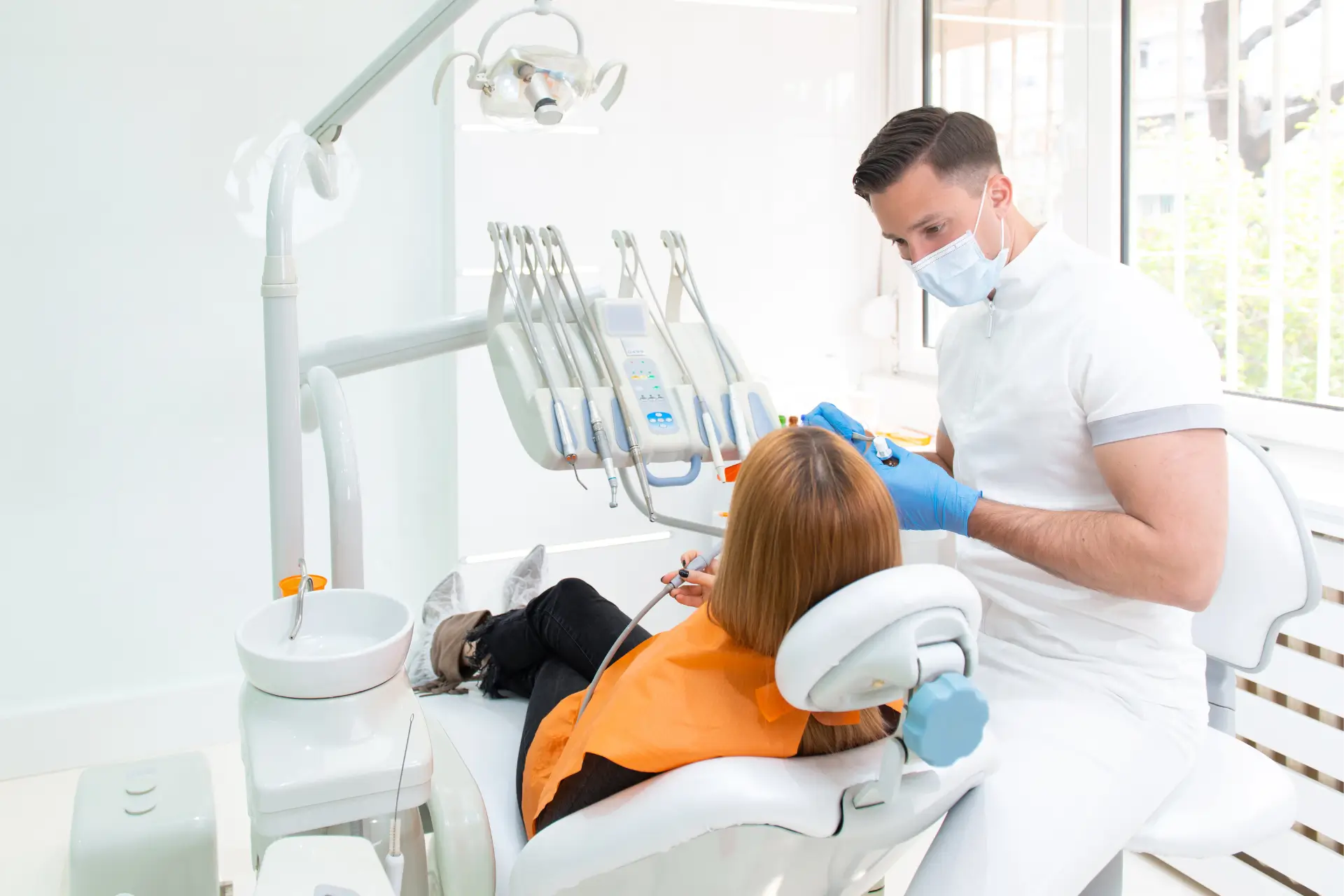
Few dental decisions feel as urgent, or as unsettling, as being told a tooth may need to come out right away. Most people walk into a dental office hoping for a filling, an adjustment, maybe a course of antibiotics, anything that saves the tooth and settles the pain. In many cases, that is exactly what happens. Modern dentistry is built around preservation. Dentists do not remove teeth casually, and they do not recommend emergency extraction simply because a tooth hurts.
Still, there are moments when removal becomes the safest choice, not the easiest one. A severe infection, a fractured tooth below the gumline, uncontrolled bleeding after trauma, or a wisdom tooth causing a spreading facial swelling can turn an ordinary problem into a true dental emergency. At that point, the question shifts. It is no longer “Can this tooth be saved?” It becomes “What will protect the patient from worsening damage, infection, and pain?”
That distinction matters. Many people delay care because they assume a bad toothache can wait until the weekend passes, the work deadline clears, or the swelling goes down on its own. Sometimes they are lucky. Sometimes they are not. Dental infections do not always stay confined to one tooth. Pressure can build quickly. Swelling can spread into the face, jaw, and in rare but serious cases, the spaces that affect swallowing and breathing.
Understanding when emergency tooth extraction is necessary helps people make faster, better decisions under stress. It also reduces panic, because not every painful tooth needs to be removed, and not every extraction is truly urgent.
What counts as an emergency extraction
An emergency extraction is the removal of a tooth when delaying treatment could lead to significant harm. That harm may be medical, such as a spreading infection, or practical, such as pain so severe that the patient cannot eat, sleep, or function. Urgency exists on a spectrum. Some teeth should come out within hours. Others should come out within a day or two. Some can wait for a planned appointment after pain is stabilized.
One of the most common misunderstandings in a dental emergency is the belief that intensity of pain alone determines urgency. Pain matters, but it is not the whole story. A tooth can ache terribly because of an inflamed nerve and still be saved with root canal treatment. Another tooth may not hurt much at all because the nerve has died, yet the surrounding infection is already draining into the tissues and causing dangerous swelling.
Dentists look at several factors together: the source of the problem, the extent of infection or damage, whether the tooth is restorable, how quickly symptoms are progressing, and the patient’s overall health. A healthy young adult and a person with poorly controlled diabetes or a suppressed immune system do not carry the same risk profile. The same dental problem may demand a faster intervention in one patient than another.
The situations that most often require immediate removal
A tooth usually needs emergency extraction when keeping it in place poses more risk than removing it. That sounds obvious, but in practice it requires judgment. Dentists are balancing preservation against safety.
Here are the scenarios where emergency removal becomes much more likely:
- A severe dental infection with swelling, especially if it is spreading into the face or jaw.
- A tooth that is broken beyond repair, particularly when the fracture extends below the gumline.
- Advanced gum disease that leaves a tooth extremely loose, painful, and functionally hopeless.
- Trauma that dislodges, splits, or destroys a tooth in a way that cannot be reconstructed.
- A problematic wisdom tooth causing acute infection, swelling, or repeated flare-ups that are not responding to conservative care.
Those are broad categories, and each one has important nuance.
Severe infection and abscess
This is the situation people most often associate with a dental emergency, and for good reason. When bacteria invade the pulp, the soft tissue inside the tooth, the infection can extend beyond the root into the surrounding bone and gums. That may lead to a dental abscess, which often produces throbbing pain, pressure, a bad taste, swelling, and tenderness when biting.
Not every abscess requires extraction. If the tooth can be restored, dentists often try to save it with root canal treatment and drainage, sometimes combined with antibiotics when swelling or systemic signs are present. But if the tooth is too badly decayed, cracked, or structurally unsound, extraction may be the safer route.
The red flags that raise urgency are swelling that is increasing, difficulty opening the mouth, fever, swollen lymph nodes, and any hint of trouble swallowing or breathing. At that stage, removal may be part of controlling the source of infection, though sometimes the first step is incision and drainage or hospital care if the infection is advanced.
A practical point many patients do not expect: antibiotics alone are not a definitive fix for a tooth infection. They may temporarily reduce swelling, but if the source remains in the tooth, the problem often returns.
A fractured tooth that cannot be saved
Teeth crack in many ways. A small chipped edge from biting a fork is one thing. A vertical fracture running into the root is another. If a tooth breaks above the gumline and enough healthy structure remains, it may be restored with a filling, crown, or root canal and crown. Once the fracture extends deep below the gum or splits the roots, the prognosis changes sharply.
One patient may arrive after biting down on a hard olive pit and feel a sharp snap. Another may wake up with a molar that crumbled because extensive decay had hollowed it out for months. In both cases, the emergency is not just the pain. It is the fact that the remaining tooth can no longer support a lasting repair.
Lower molars are common culprits because they take heavy chewing forces. Teeth with large old fillings are also vulnerable. When the fracture line allows bacteria to reach deep into the root area, pain can escalate fast, and infection is often close behind.
Trauma after an accident
Sports injuries, falls, and vehicle accidents can all lead to dental trauma. Timing matters enormously here. A knocked-out permanent tooth, for example, is a different problem from a tooth that is shattered and non-restorable. Sometimes the emergency visit is about trying to replant and stabilize the tooth. Other times, there is too much destruction to save it.
Children complicate the picture because baby teeth and permanent teeth follow different rules. A badly injured baby tooth is often removed if it threatens the underlying adult tooth or becomes infected. A permanent tooth gets a more aggressive attempt at preservation, especially if the root and surrounding bone are favorable.
When trauma includes jaw pain, changes in bite, numbness, or visible facial injuries, the focus widens beyond the tooth itself. Imaging may be needed to rule out fractures of the jaw or facial bones.
Wisdom teeth in crisis
Wisdom teeth are frequent offenders in emergency dental clinics. A partially erupted wisdom tooth can trap food and bacteria under the flap of gum tissue covering it, leading to pericoronitis, an infection marked by swelling, bad taste, pain while chewing, and sometimes reduced mouth opening. In mild cases, cleaning, irrigation, and medication may settle the episode. In more severe or recurrent cases, extraction becomes the long-term solution.
Not every infected wisdom tooth has to be removed on the spot. If swelling is severe, if the mouth barely opens, or if there is facial involvement, the dentist may first control the infection and schedule removal once tissues are safer to work in. But there are cases where urgent extraction is both feasible and advisable.
Teeth lost to advanced periodontal disease
It can be surprising when a tooth that is not badly decayed still ends up needing emergency extraction. Severe periodontal disease can destroy the bone and ligament that support the tooth. Once that support is gone, the tooth may become mobile, painful under function, and impossible to stabilize.
This tends to happen in older adults more often, but not exclusively. I have seen patients who delayed periodontal care for years because the progression was slow and mostly painless. Then one day the tooth shifted, abscessed, or interfered with chewing so badly that immediate removal became the sensible option.
When dentists try to save the tooth instead
The word “emergency” does not automatically mean “extraction.” A large part of emergency dentistry involves reducing pain, containing infection, and buying time for the best long-term treatment. A tooth with deep decay but enough sound structure left may respond well to root canal therapy. A cracked crown may need replacement, not removal. A painful tooth from bite trauma may need adjustment rather than surgery.
This is where exam findings matter more than internet advice. X-rays, percussion tests, mobility checks, and gum measurements reveal details patients cannot assess at home. Sometimes the tooth that feels worst is not the one causing the real trouble. Referred pain in the mouth is common. Upper molars can make pain feel like sinus pressure. Lower teeth can send discomfort along the jaw or ear.
Preserving a tooth is usually preferable when the prognosis is solid. Natural teeth distribute biting forces efficiently, maintain bone better than missing spaces, and often cost less over time than extracting and later replacing the tooth with an implant or bridge. But preservation is not always the ethical choice. Saving a hopeless tooth can mean repeated treatment, repeated infection, and more expense for an outcome that was never likely to last.
Signs that a painful tooth cannot wait
Many people hesitate because they are unsure whether their symptoms justify same-day care. There is no perfect home test, but certain signs should push the situation into urgent territory.
If a patient calls a dental office describing relentless pain, visible swelling, fever, pus drainage, trauma, or a broken tooth with severe sensitivity, most experienced front desks will move quickly. If the patient also reports difficulty swallowing, trouble breathing, or swelling under the jaw or into the eye area, the recommendation may shift from dental office to emergency department.
A helpful rule of thumb is that simple discomfort can often wait briefly, but escalating symptoms rarely improve with delay. Pain that wakes someone from sleep, swelling that changes facial shape, or a foul-tasting discharge from the gums deserves prompt attention.
What happens during an emergency extraction visit
Emergency visits move faster than routine appointments, but they are not rushed in the careless sense. The dentist still has to answer key questions: Is the tooth truly the source? Can it be saved? Is it safe to remove today? Is the patient medically stable for the procedure?
The appointment usually begins with a focused history, exam, and dental X-rays. The dentist will ask when symptoms started, whether swelling is increasing, whether there is fever, whether the patient is taking blood thinners, and whether numbness, chest pain, or breathing issues are present. These details guide treatment and determine whether the office is the right setting.
If extraction is recommended, the dentist explains why the tooth is not restorable or why delay adds risk. Local anesthesia is then used to numb the area. Infected teeth can sometimes be more difficult to anesthetize fully because inflamed tissue changes local pH and nerve responsiveness, which is one reason emergency procedures can take patience and careful technique. Additional anesthetic methods are often used.
Some extractions are straightforward. Others require sectioning the tooth, elevating roots separately, or making a small incision. Wisdom teeth and fractured molars are frequent examples. After the tooth is removed, the dentist controls bleeding, cleans the site if needed, and places gauze. Stitches may or may not be necessary.
Antibiotics are not prescribed automatically. If the source of infection has been removed and there is no significant swelling or systemic involvement, pain control and local care may be enough. That surprises many patients, but it is appropriate in many cases.
The hours after removal matter more than most people think
A technically successful extraction can still turn into a miserable recovery if aftercare is ignored. The clot that forms in the socket is protective. Disturb it too much and the patient risks dry socket, a painful inflammatory complication more common after lower Dental Emergency molar extractions, especially wisdom teeth.
The most important aftercare priorities are simple:
- Bite on gauze as directed and avoid disturbing the clot for the first several hours.
- Do not smoke, use straws, or spit forcefully during early healing.
- Use prescribed or recommended pain relief exactly as instructed.
- Eat soft foods and keep the rest of the mouth clean without scrubbing the extraction site.
- Call promptly if swelling worsens, bleeding will not stop, or fever develops.
Smoking deserves special mention. It is one of the strongest practical predictors of poor socket healing that dentists see every week. Patients often underestimate how much it affects blood supply and clot stability.
Not every extraction should happen in a general dental office
This is an important point that gets overlooked in conversations about urgency. Some teeth are urgent to remove, but not necessarily in every setting. A patient with severe swelling, complex medical issues, impacted wisdom teeth near the nerve canal, or very difficult root anatomy may be safer with an oral surgeon. Likewise, a patient who cannot tolerate treatment while awake may need sedation or hospital support.
Urgency should never pressure a clinician into working beyond safe limits. Good judgment sometimes means stabilizing first, then referring. That can include draining infection, prescribing appropriate medication, and arranging specialist care quickly.
Cost, timing, and the hard trade-offs patients face
Emergency extractions often happen under stress, and stress magnifies practical concerns. Cost is one of them. Patients may ask whether it is cheaper to pull the tooth than save it. In the short term, extraction often costs less than root canal treatment plus a crown. In the long term, losing a tooth may create new costs if replacement is needed to restore chewing, prevent drifting, or preserve appearance.
That does not mean extraction is the wrong choice. Sometimes it is the most honest choice, especially when the tooth has a poor prognosis or the patient’s finances make an elaborate rescue unrealistic. Dentistry does not happen in a vacuum. Treatment has to fit biology, goals, and budget.
There is also the timing issue. A patient in acute pain may want immediate removal, even when the tooth could technically be saved. Another patient may desperately want to preserve the tooth despite repeated failed treatment. The best care sits between reflex and denial. It requires a clear explanation of likely outcomes, not just available procedures.
Children, older adults, and medically complex patients
Age changes the calculus. Children with baby teeth may need urgent extraction when infection threatens the permanent tooth developing beneath. Permanent teeth in adolescents deserve strong efforts at preservation, especially after trauma, because early tooth loss can affect jaw development and long-term orthodontic planning.
Older adults may present with brittle restorations, root decay, heavy wear, or reduced bone support. They may also be taking medications that affect healing or bleeding. For them, the emergency is often less dramatic but more layered. A tooth can be both painful and medically complicated.
Patients with diabetes, cancer treatment history, immune suppression, or certain bone medications need especially careful planning. What would be a routine extraction in one person may require antibiotic coverage, modified timing, physician coordination, or specialist involvement in another. That is why blanket advice online is so unreliable in a true dental emergency.
When to seek help immediately
If a person has dental pain with swelling, they should call a dentist promptly. If they have swelling plus fever, rapidly increasing facial fullness, difficulty swallowing, difficulty breathing, or they feel generally unwell, they should Dental Emergency not wait for a routine opening. Those symptoms can signal a deepening infection that needs same-day attention, and sometimes medical rather than purely dental management.
Nighttime is when people often decide to “see how it feels in the morning.” Sometimes that is reasonable. Sometimes it is the moment that adds twelve unnecessary hours to a spreading infection. If the face is visibly changing, if the pain is severe and constant, or if the person cannot function normally, it is safer to get guidance right away.
The real goal is not extraction, it is control
Emergency tooth extraction is not a failure of dentistry. It is one of the tools used when a tooth has crossed the line from damaged to dangerous, or from salvageable to structurally hopeless. The aim is not simply to remove a tooth. The aim is to remove the source of pain, stop the progression of infection, and protect the patient’s overall health.
That perspective helps patients think more clearly in the middle of a crisis. The question is rarely whether extraction sounds unpleasant. Of course it does. The better question is whether keeping the tooth creates more risk than benefit. When the answer is yes, timely removal is often the wisest treatment available.
The best outcomes usually belong to the patients who act early. They do not wait for swelling to become dramatic or for pain to become unbearable. They get the tooth examined while there are still options, even if one of those options ends up being extraction. In emergency dentistry, timing changes everything.
Vitality Dental
Address: 1220 Coit Rd #106, Plano, TX 75075
Phone number: +19726454100
FAQ About Dental Emergency
What can the ER do for a tooth?
An emergency room (ER) can manage pain and treat severe infections with medication, but it cannot fix or pull a tooth.
What is considered a dental emergency?
A dental emergency is any oral health problem that involves severe pain, uncontrollable bleeding, or an infection that threatens your health or requires immediate care to save a tooth.
Is there a 24-hour dental service in Plano, TX?
There is no physical dental clinic in Plano, Texas, that stays open with walk-in staff 24 hours a day, but several offices offer 24/7 phone support, late-night hours, or same-day emergency care.